

Vestibular Rehab
Balance Training
Balance is something most people take for granted — until it starts to decline. Good balance is essential for walking, climbing stairs, playing sports, and even simple daily activities like reaching or bending. When balance is affected by injury, aging, or neurological issues, it increases the risk of falls, decreases independence, and limits confidence. Balance training helps retrain your body to move steadily and safely so you can stay active and in control.

What is Balance Training?
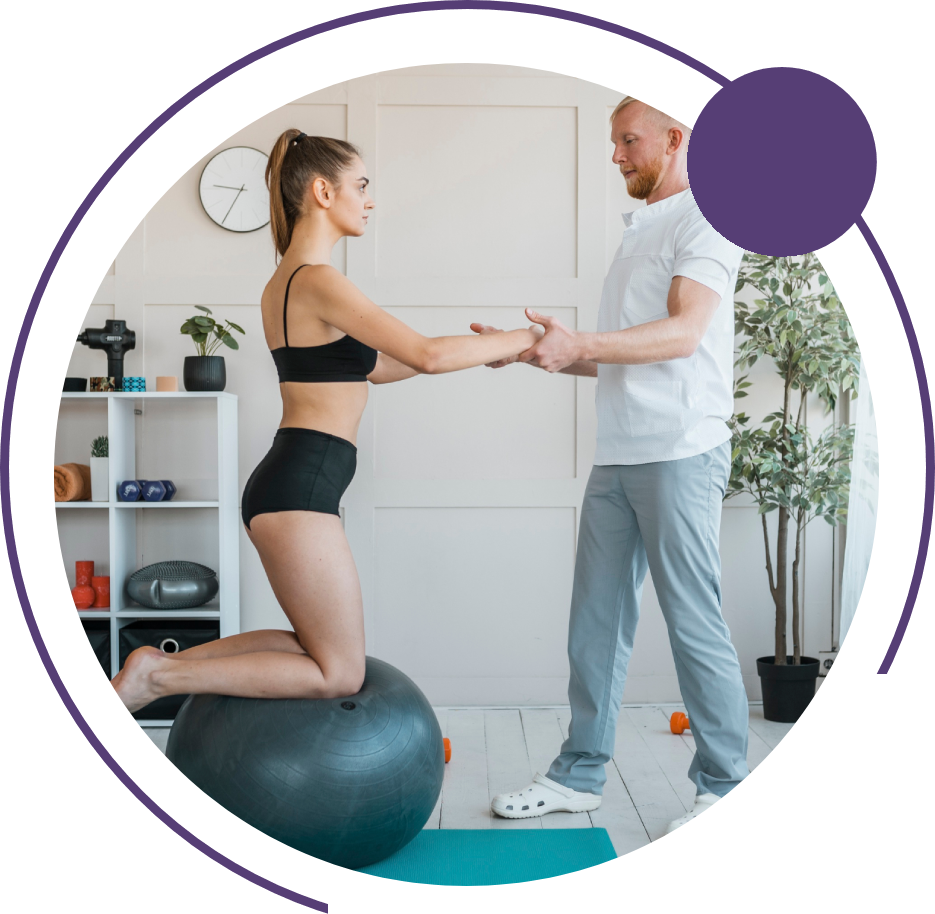
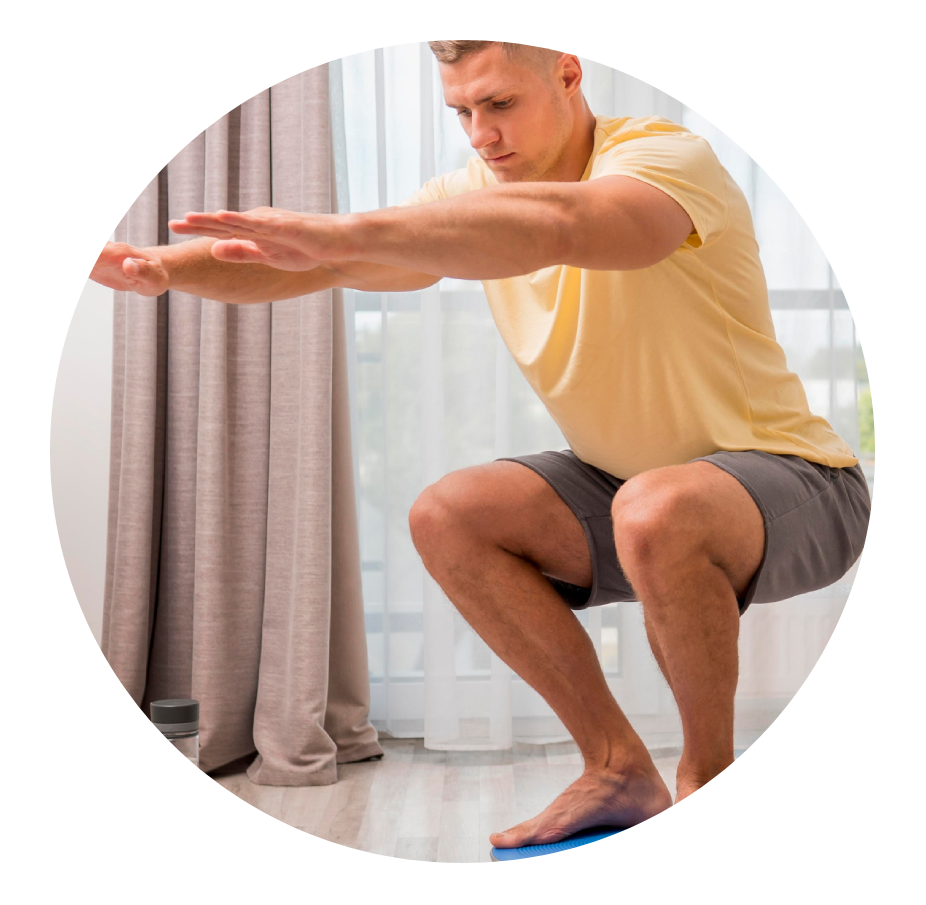
Balance training is a focused exercise program designed to improve stability, coordination, and body awareness. It targets the systems that keep you upright — including your muscles, joints, vision, and inner ear — to help you react quickly and confidently to changes in position. Through guided movements and progressive exercises, balance training challenges your body to adapt, rebuilds control, and reduces your risk of falling.

Why Balance Matters
Strong balance is about more than avoiding falls. It improves posture, protects joints, and makes everyday movement more efficient. For athletes, balance provides a foundation for agility, speed, and performance. For older adults, it supports independence and safety at home. For patients recovering from injury or surgery, balance training restores stability and helps rebuild trust in movement.
Benefits of Balance Training
Balance training can reduce fall risk, improve walking and coordination, enhance athletic performance, and support recovery from injuries such as ankle sprains, knee surgeries, or neurological conditions. It also strengthens the core and lower body muscles that keep you steady, while improving overall confidence in movement. With consistent practice, patients often notice smoother mobility and greater independence in daily life.
How We Approach Balance Training
Every balance training program starts with an assessment of your current stability, strength, and mobility. From there, exercises are tailored to your needs — from simple standing drills to dynamic movements that challenge reaction time and coordination. Tools like balance boards, foam pads, and functional exercises may be used, but the focus is always on safe, progressive improvement.
Frequently Asked Questions
Who can benefit from balance training?
Balance training is valuable for older adults, athletes, people recovering from injuries, and anyone experiencing dizziness, unsteadiness, or frequent falls.
Is balance training safe for seniors?
Yes. Exercises are carefully adapted to your abilities and performed in a safe, controlled environment to reduce fall risk while building confidence.
How long does it take to see improvements in balance?
Many people notice changes within a few weeks, though lasting improvements come with regular practice and consistency.
Can balance training help with sports performance?
Absolutely. Better balance improves agility, reaction time, and coordination — all essential for athletes in sports like soccer, basketball, martial arts, and more.
What equipment is used in balance training?
Balance training may use tools such as balance boards, foam pads, resistance bands, or stability balls, but many effective exercises can also be done with body weight alone.