
Vestibular Rehab
Blood Flow Restriction (BFR) Training
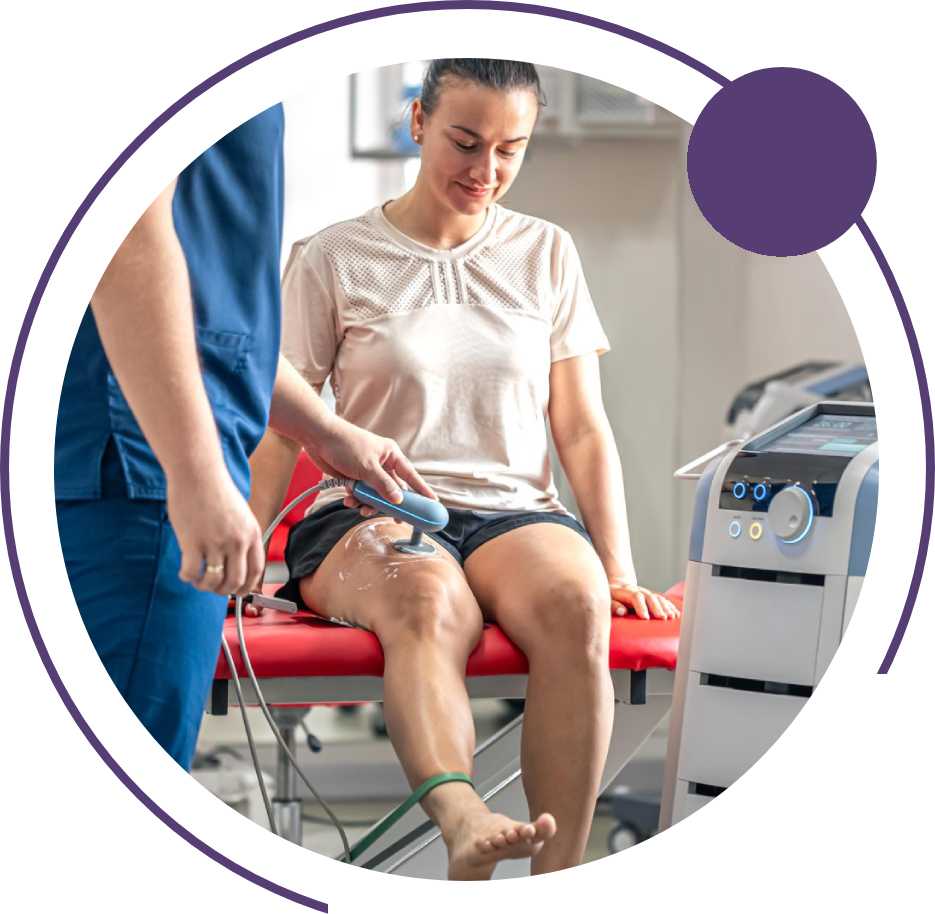
Blood Flow Restriction (BFR) training is a specialized rehabilitation technique that helps patients build strength and muscle using light resistance. By applying a controlled cuff or band around the upper arm or leg, blood flow is partially restricted to the working muscles during exercise. This allows the body to achieve the benefits of heavy weightlifting while using much lighter loads, making it especially useful for people recovering from injury or surgery.

What is BFR Training?
BFR training involves performing low-intensity exercises while wearing a cuff that reduces blood flow to the targeted muscle group. This creates an environment where the muscles fatigue quickly, stimulating growth and strength gains similar to high-intensity training. Because the resistance is much lighter, stress on joints and healing tissues is minimized, making BFR an excellent option for those who cannot yet tolerate heavy lifting.

How BFR Works
The restricted blood flow during exercise increases metabolic stress and recruits more muscle fibers, which encourages muscle growth and strength even at low loads. It also stimulates the release of growth hormones that accelerate healing and improve endurance. Patients often report muscle “burn” and fatigue similar to heavy lifting, but without the strain on joints or surgical repairs.
Benefits of BFR Training
BFR training can be especially beneficial after surgeries such as ACL repair, joint replacement, or rotator cuff repair. It helps reduce muscle loss during immobilization, accelerates return of strength, and supports faster recovery. It is also effective for athletes looking to maintain conditioning during periods when high-intensity training is not possible. With proper guidance, BFR is a safe and effective way to restore strength, improve function, and speed up rehabilitation.
How Physical Therapy Helps You
In physical therapy, BFR is carefully monitored to ensure safety and effectiveness. Therapists use medical-grade cuffs that can measure and control pressure precisely. Sessions are tailored to your recovery stage, combining BFR with specific exercises that target the areas you need to strengthen most. This technique is always used as part of a complete rehabilitation plan that also includes mobility, stability, and functional training.
Frequently Asked Questions
Is BFR training safe?
Yes. When performed with medical-grade equipment under the supervision of a trained therapist, BFR is safe. It is not the same as using makeshift bands or wraps, which can be unsafe.
Does BFR training hurt?
You may feel pressure from the cuff and a burning sensation in the muscle during exercise, but it should not cause sharp pain. The discomfort is similar to the fatigue you feel after heavy weightlifting.
Who can benefit from BFR training?
BFR is helpful for post-surgical patients, people recovering from injury, and athletes who want to maintain or build muscle without stressing their joints. It’s especially useful when lifting heavy weights is not possible.
How many sessions of BFR are needed?
Some patients see improvements in strength and muscle endurance within a few weeks. The number of sessions depends on your condition, goals, and how often you participate in therapy.
Are there people who should not do BFR training?
Yes. BFR may not be appropriate for individuals with certain cardiovascular issues, uncontrolled hypertension, blood clotting disorders, or other medical conditions. Your therapist will review your health history before starting.