
Manual Therapy
Dry Needling
Dry needling is a modern therapy technique that uses thin, sterile needles to release tight muscles, reduce pain, and restore movement. Unlike acupuncture, which is rooted in traditional Chinese medicine, dry needling is based on Western anatomy and targets trigger points within muscles that contribute to pain and stiffness. Many people find that it provides relief when other treatments have not been effective.

What is Dry Needling?
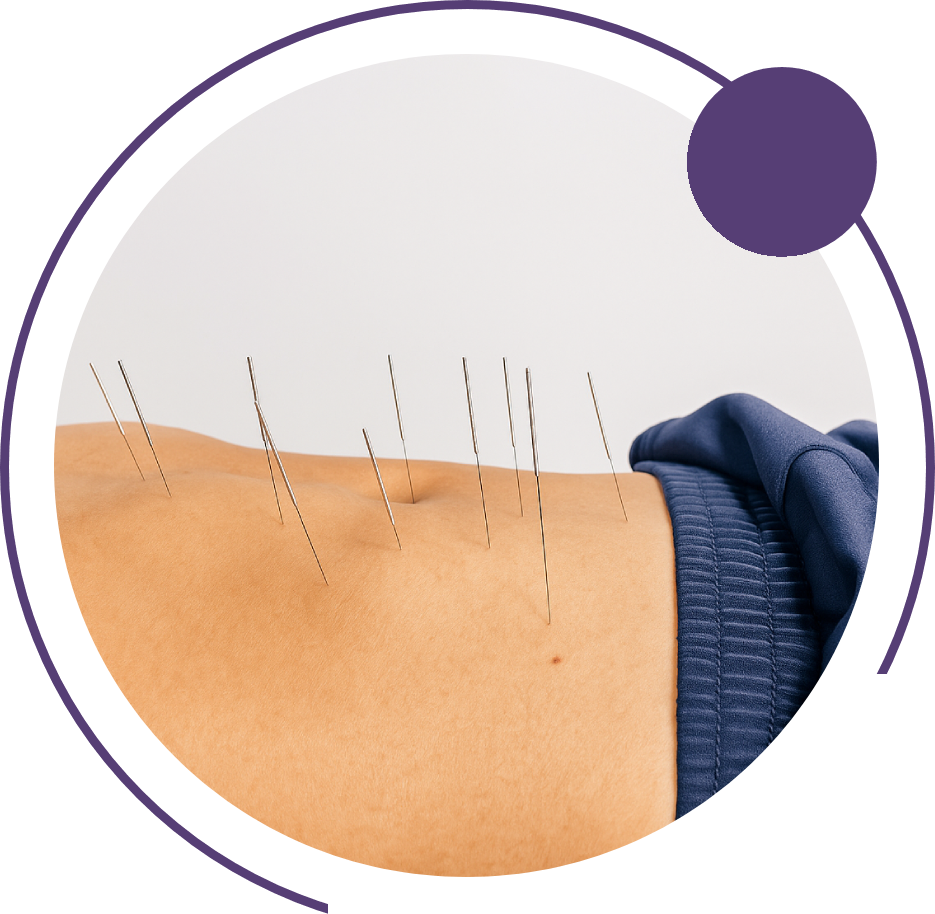
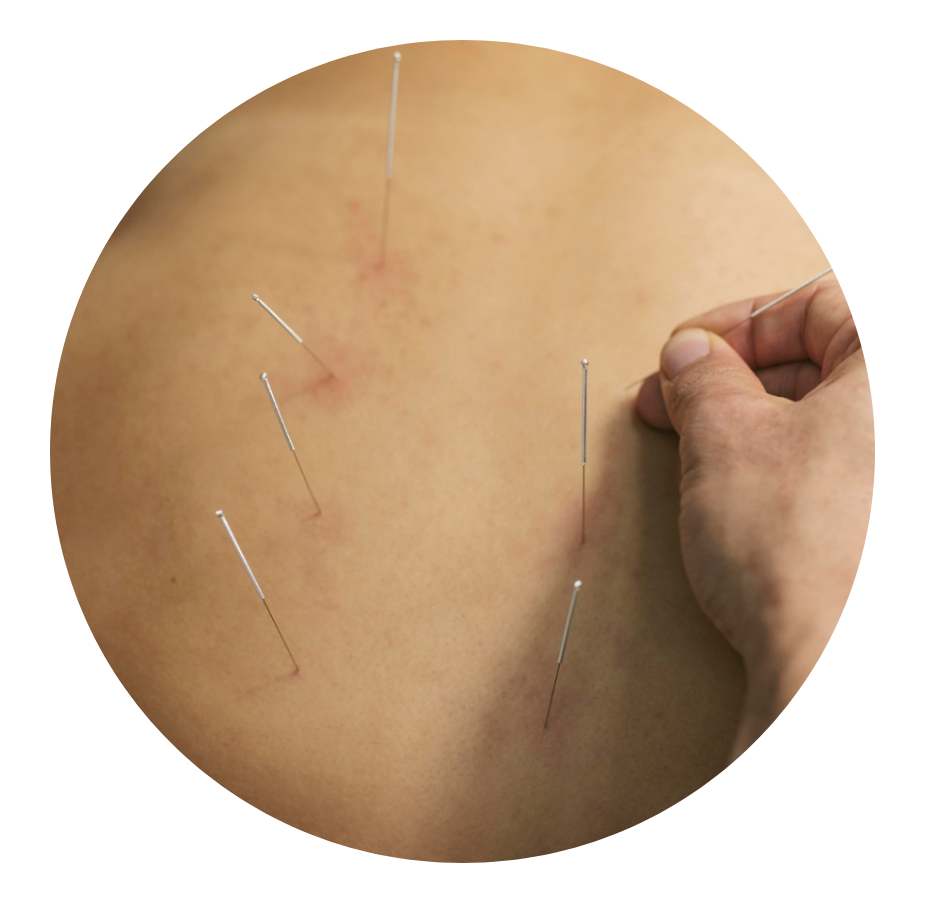
Dry needling involves inserting a fine needle directly into a tight muscle or trigger point. These trigger points are often described as “knots” — small, sensitive areas within a muscle that can limit flexibility, weaken performance, and cause referred pain. By stimulating these areas, dry needling helps improve blood flow, release tension, and reset how the muscle functions. The result is often reduced pain, improved mobility, and faster recovery.

How Dry Needling Works
Dry needling is a modern therapy technique that uses thin, sterile needles to release tight muscles, reduce pain, and restore movement. Unlike acupuncture, which is rooted in traditional Chinese medicine, dry needling is based on Western anatomy and targets trigger points within muscles that contribute to pain and stiffness. Many people find that it provides relief when other treatments have not been effective.
Benefits of Dry Needling
Dry needling involves inserting a fine needle directly into a tight muscle or trigger point. These trigger points are often described as “knots” — small, sensitive areas within a muscle that can limit flexibility, weaken performance, and cause referred pain. By stimulating these areas, dry needling helps improve blood flow, release tension, and reset how the muscle functions. The result is often reduced pain, improved mobility, and faster recovery.
How Physical Therapy Helps You
Physical therapists often combine dry needling with other treatments such as exercise therapy, manual therapy, and posture correction. The technique is not a stand-alone cure but a powerful tool that works best as part of a complete rehabilitation plan. By releasing stubborn trigger points, dry needling makes it easier to restore normal movement patterns and strengthen muscles effectively.
If you’re struggling with ongoing muscle pain or stiffness, dry needling may be the missing piece in your recovery. Contact us today to schedule an appointment and learn if this treatment is right for you.
Frequently Asked Questions
Does dry needling hurt?
Most people feel only a quick, mild sensation when the needle enters the muscle. Some may experience a small twitch response, which is a good sign the muscle is releasing tension. Any soreness afterward is usually mild and fades within a day or two.
How is dry needling different from acupuncture?
Although both use thin needles, acupuncture is based on traditional Chinese medicine, while dry needling is rooted in Western anatomy and targets specific trigger points in muscles to reduce pain and restore function.
What conditions can dry needling help with?
Dry needling is often used for muscle tightness, chronic pain, sports injuries, headaches, neck and back pain, and tendon-related issues. It can also help improve flexibility and speed up recovery.
How many dry needling sessions will I need?
Some patients feel relief after just one or two sessions, while others benefit from several treatments depending on the severity and duration of their condition. Your therapist will create a plan tailored to your needs.
Is dry needling safe?
Yes. When performed by a licensed physical therapist trained in the technique, dry needling is safe. The needles are sterile, single-use, and extremely thin, minimizing any risk of complications.