

Manual Therapy
Instrument-Assisted Soft Tissue Mobilization (IASTM)
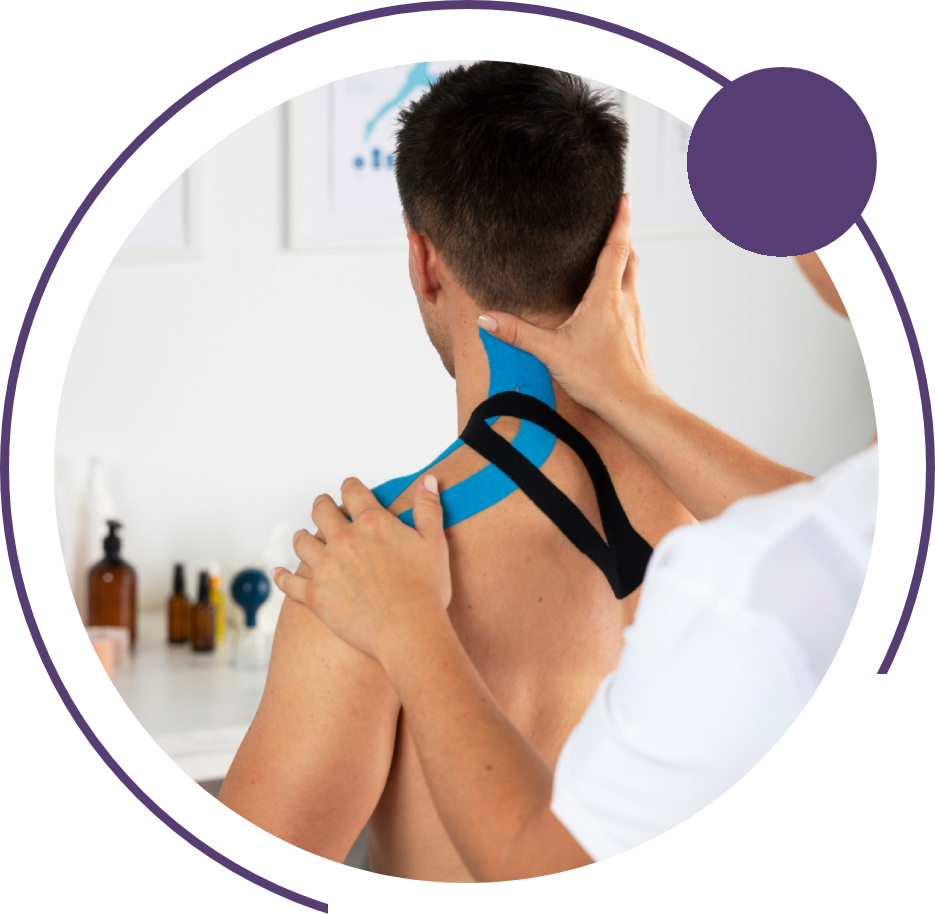
Instrument-Assisted Soft Tissue Mobilization, or IASTM, is a modern manual therapy technique that uses specially designed tools to treat muscle tightness, scar tissue, and soft tissue restrictions. By applying controlled pressure with these instruments, a therapist can target problem areas more precisely than with hands alone, helping to improve mobility, decrease pain, and restore normal tissue function.

What is IASTM?
IASTM involves the use of stainless steel or hard plastic instruments that glide over the skin to detect and treat areas of restriction. These tools allow the therapist to identify scar tissue, adhesions, or areas of muscle tightness that may not be as easy to feel with the hands. Once identified, the therapist applies gentle pressure to break down restrictions and stimulate the body’s natural healing response. This improves blood flow, encourages tissue remodeling, and promotes smoother, more efficient movement.

How IASTM Works
When soft tissue is injured, the body may form scar tissue or adhesions that limit flexibility and cause discomfort. IASTM helps break down these adhesions and promotes the reorganization of collagen fibers so that tissues can heal in a more functional way. Patients often experience a warming sensation, mild redness, or temporary tenderness in the treated area, all of which indicate improved circulation and healing.
Benefits of IASTM
IASTM is particularly effective for conditions such as chronic muscle tightness, tendonitis, plantar fasciitis, carpal tunnel syndrome, IT band syndrome, and post-surgical scar tissue. It is also commonly used for athletes who want to maintain flexibility and reduce the risk of overuse injuries. Many patients report improved range of motion, reduced stiffness, and quicker recovery after incorporating IASTM into their treatment plan.
How Physical Therapy Helps You
IASTM is rarely used as a stand-alone therapy. Instead, it is combined with stretching, strengthening, and corrective exercises to achieve the best results. By first breaking down restrictions with IASTM, the body is more receptive to therapeutic exercise and functional retraining. This makes it an excellent tool for speeding up recovery and preventing future injuries.
If you are dealing with chronic stiffness, pain, or scar tissue, Instrument-Assisted Soft Tissue Mobilization may be the key to unlocking better movement and lasting relief. Contact us today to learn how IASTM can be integrated into your rehabilitation plan.
Frequently Asked Questions
Is IASTM painful?
IASTM should not be painful, though you may feel some pressure or mild discomfort as the tools glide over tight or restricted tissues. It’s normal to have slight redness or tenderness afterward, which usually fades within a day or two.
What conditions can IASTM help with?
IASTM is commonly used for muscle tightness, tendonitis, plantar fasciitis, carpal tunnel syndrome, IT band syndrome, and post-surgical scar tissue. It’s also helpful for athletes managing overuse injuries.
How does IASTM work differently than massage?
Unlike massage, which uses only the hands, IASTM uses specially designed instruments that allow the therapist to detect and treat tissue restrictions more precisely. This makes it easier to break down adhesions and stimulate healing.
How many IASTM sessions will I need?
Some people notice improvements after just one or two sessions, while chronic or complex conditions may require several treatments. Your therapist will create a plan based on your specific needs.
Is IASTM safe for everyone?
IASTM is safe for most people when performed by a trained therapist. However, it may not be recommended if you have certain skin conditions, open wounds, or bleeding disorders. Your therapist will review your health history before treatment.