
Vestibular Rehab
Jiu-Jitsu Rehab
Brazilian Jiu-Jitsu is one of the most physically demanding martial arts, requiring flexibility, strength, endurance, and resilience. With constant grappling, twisting, and joint locks, the body is often placed in positions that can strain muscles, ligaments, and joints. Our Jiu-Jitsu rehab program is designed to help practitioners recover from injuries, prevent recurring issues, and return to the mat stronger and more confident.

Why Jiu-Jitsu Athletes Need Specialized Rehab
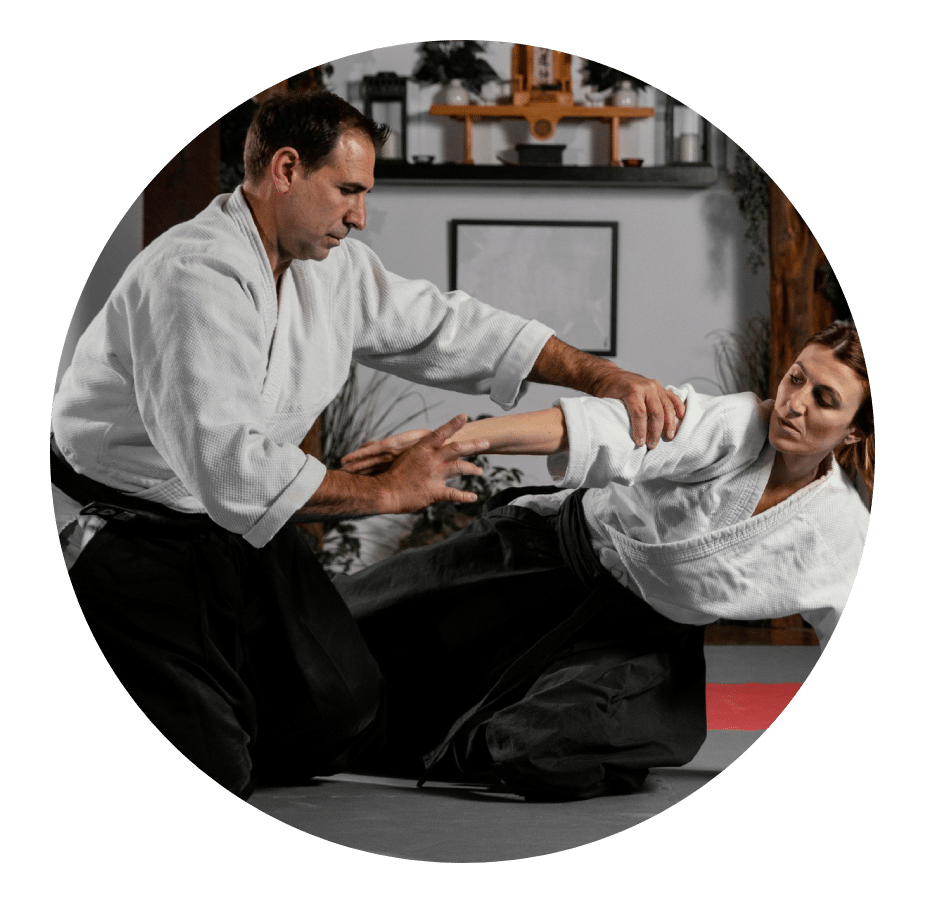
Unlike many other sports, Jiu-Jitsu puts unique stress on the neck, shoulders, elbows, wrists, hips, knees, and lower back. Repetitive training, sparring, and competition can lead to both acute injuries and long-term overuse problems. Standard rehab doesn’t always address the specific movements and demands of grappling. That’s why a tailored program, built with the mechanics of Jiu-Jitsu in mind, is essential for full recovery.

Common Jiu-Jitsu Injuries
Practitioners often deal with joint sprains, muscle strains, shoulder impingements, hyperextended elbows, wrist and hand injuries, rib bruising, meniscus or ligament strains in the knees, and chronic tightness in the neck and back. Many athletes also face overuse conditions like tendonitis from repetitive gripping or positional training. Left untreated, these issues can limit performance and increase the risk of long-term damage.
How Jiu-Jitsu Rehab Helps You
Our rehab program focuses on restoring mobility, building joint stability, and addressing sport-specific weaknesses. Treatment may include manual therapy, corrective exercises, injury-specific strengthening, and flexibility training to prepare the body for the unique stresses of Jiu-Jitsu. We also integrate movement retraining to ensure you can roll, grip, and transition without fear of re-injury. The goal is not just recovery, but improving resilience so you can continue training and competing safely.
How Physical Therapy Helps You
Physical therapy for Jiu-Jitsu athletes is not just about recovering from injuries — it’s about returning to the mat stronger, more mobile, and more resilient than before. Because grappling places unique demands on the body, therapy focuses on restoring joint stability, flexibility, and functional strength specific to the positions and movements of Jiu-Jitsu.
A therapist will address acute injuries such as sprains, hyperextensions, or muscle strains, while also working on the chronic tightness and overuse issues that often build up from daily training. Treatment may include manual therapy to ease restrictions, corrective exercises to improve movement patterns, and mobility drills that prepare your body for the stresses of rolling and sparring.
Frequently Asked Questions
What makes Jiu-Jitsu rehab different from regular physical therapy?
Jiu-Jitsu rehab is tailored to the movements, positions, and injury patterns of grappling athletes. It goes beyond general recovery to prepare your body for the demands of rolling, sparring, and competition.
Can I still train while going through rehab?
In many cases, yes — with modifications. Your therapist will guide you on safe movements and positions you can continue practicing while your injury heals.
How long does it take to return to the mat?
Recovery time depends on the severity of your injury and your training intensity. Minor strains may only take a few weeks, while ligament or joint injuries could require several months of rehab.
What injuries are most common in Jiu-Jitsu?
Elbow hyperextensions, knee ligament strains, shoulder impingements, wrist pain from gripping, and neck or back tightness are some of the most frequent issues.
Can rehab also help me prevent injuries?
Absolutely. Many athletes use Jiu-Jitsu rehab proactively to improve joint stability, flexibility, and movement control, which reduces the risk of injury and boosts overall performance.