
Manual Therapy
Joint Mobilizations and Manipulations
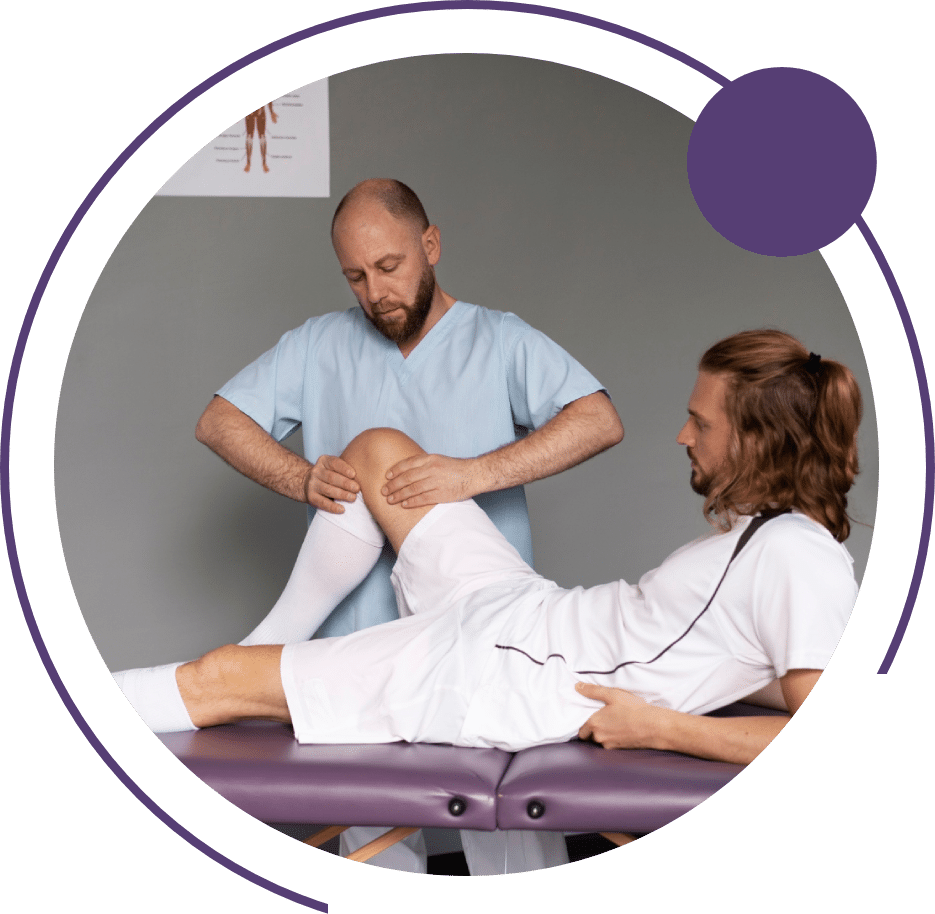
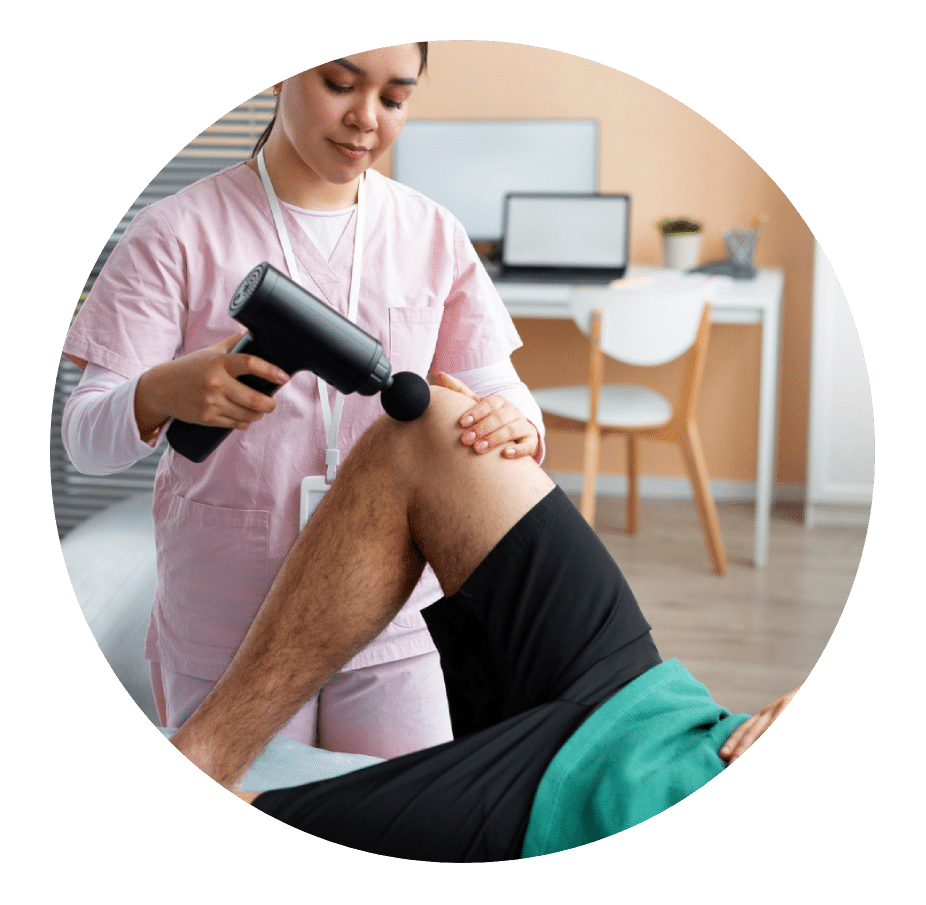
Joint mobilizations and manipulations are hands-on therapy techniques used by physical therapists to improve movement, reduce stiffness, and relieve pain. When joints lose their normal mobility due to injury, overuse, or conditions like arthritis, they can feel stiff, achy, or even “stuck.” Gentle mobilization and manipulation techniques help restore normal motion and allow the surrounding muscles and tissues to function properly again.

What Are Joint Mobilizations and Manipulations?
Joint mobilizations are slow, controlled movements applied by the therapist to stretch and restore the joint’s natural motion. These techniques are graded at different levels depending on whether the goal is to relieve pain, improve mobility, or both. Manipulations, on the other hand, are quicker, small-amplitude thrusts performed at the end of a joint’s range of motion. They are designed to release stiffness, improve alignment, and restore function in a safe and effective way. Some patients may hear a “pop” or “crack” during manipulation, which is simply gas being released from the joint space and is not harmful.

How They Work
When joints become restricted, surrounding muscles often tighten, leading to pain and further loss of mobility. Mobilizations and manipulations work by reducing these restrictions, stimulating joint receptors, and improving circulation around the joint. This not only reduces pain but also retrains the body to move more efficiently. Restoring mobility in one joint often improves function in other areas as well, since the body works as a connected system.
Benefits of Joint Mobilizations and Manipulations
These techniques are especially effective for conditions such as neck pain, low back pain, shoulder stiffness, hip and knee arthritis, and post-injury or post-surgical stiffness. Many athletes also benefit from them as part of recovery, since restoring joint motion can enhance overall performance and reduce risk of further injury. Patients often notice less pain, easier movement, and greater confidence in daily activities after treatment.
How Physical Therapy Helps You
Joint mobilizations and manipulations are never used in isolation. Instead, they are combined with corrective exercises, stretching, and strengthening to create long-term improvements. By freeing a restricted joint, a therapist makes it easier for you to perform exercises correctly and regain full function. This integrated approach helps you recover faster and prevents future flare-ups.
If you are struggling with stiff, painful joints that limit your daily activities, joint mobilizations and manipulations may be the right solution. Contact us today to schedule an appointment and learn how these techniques can support your recovery.
Frequently Asked Questions
Are joint mobilizations and manipulations safe?
Yes. When performed by a licensed physical therapist, these techniques are safe and effective. Therapists carefully assess your condition and only use techniques appropriate for your body and comfort level.
What’s the difference between mobilization and manipulation?
Mobilizations are slower, controlled movements designed to gently stretch and improve motion, while manipulations are quicker thrusts at the end of a joint’s range of motion that release stiffness more suddenly. Both have the goal of restoring function.
Will I feel pain during treatment?
You may feel pressure or mild stretching, but the techniques should not cause sharp or severe pain. Some patients feel immediate relief, while others notice gradual improvement after several sessions.
Do joints really “crack” or “pop” during manipulation?
Sometimes you may hear a popping sound, which is simply gas being released from the joint space — similar to cracking your knuckles. It is painless and not harmful.
How many sessions will I need?
The number of treatments depends on the condition being treated, how long it has been present, and your overall health. Many patients feel better within a few sessions, while chronic stiffness may take longer to fully resolve.