

What We Treat
Wrist And Hand
Your wrist and hand are among the most active parts of your body, allowing you to write, type, lift, grip, and perform countless daily tasks. Because they contain many small bones, joints, tendons, and nerves, even a minor injury can make simple movements uncomfortable or impossible. Pain in this region often interferes with work, hobbies, and day-to-day independence.

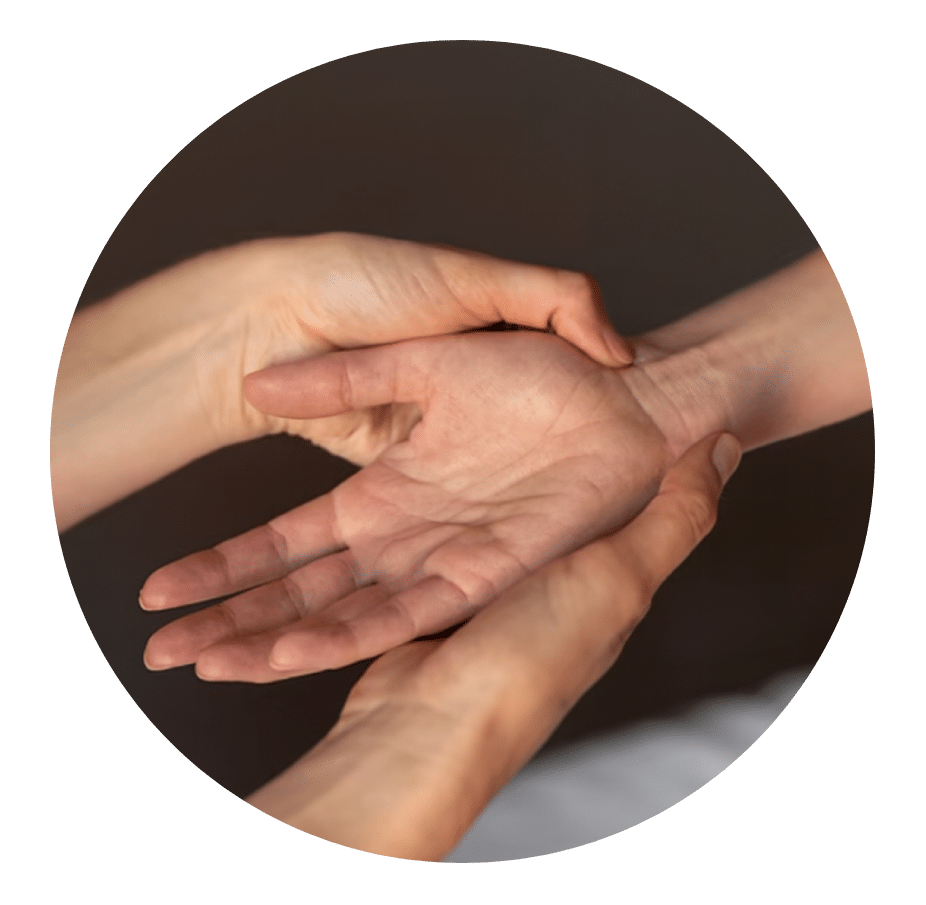

Anatomy of the Wrist and Hand
The wrist is formed where the forearm bones (radius and ulna) meet eight small carpal bones. These bones connect to the hand, which contains the metacarpals and phalanges (finger bones). Ligaments, tendons, and muscles stabilize the joints and provide dexterity for fine motor tasks. Nerves such as the median, ulnar, and radial run through the area, making the wrist and hand especially sensitive to irritation or compression.
Because so many structures are packed into such a small space, wrist and hand pain can have many different causes, from repetitive strain to sudden trauma.
Balancing Strength and Precision
The wrist and hand are designed to perform a wide range of movements with both strength and precision. From carrying a heavy bag to buttoning a shirt, these structures work together to provide both power and delicate control. When this balance is disrupted — through injury, overuse, or nerve irritation — the result can be weakness, stiffness, numbness, or loss of fine motor skills.
Problems arise when this balance is disrupted. Too much mobility without control can cause strain and instability, while excessive stiffness can limit movement and increase stress on other joints like the hips or knees.

Common Causes of Wrist and Hand Pain
Wrist and hand pain can come from repetitive activities, sports, accidents, or even medical conditions.

Typical causes include:

Carpal tunnel syndrome
Tendonitis (including De Quervain’s tenosynovitis)

Arthritis
Ligament sprains or tears
Fractures
Trigger finger
Nerve compression or irritation
Overuse from typing, writing, or gripping activities
Common symptoms include:
Sharp or aching pain
Swelling or stiffness in the wrist or fingers
Tingling, numbness, or burning sensations
Decreased grip strength
Difficulty grasping or holding objects
Pain that worsens with repetitive tasks like typing or lifting
How Physical Therapy Helps You
Wrist and hand pain can make it hard to work, cook, drive, or even sleep comfortably. A physical therapist will evaluate your symptoms, posture, and movement patterns to determine whether your pain is coming from muscles, tendons, joints, or nerves.
Treatment may include manual therapy to relieve stiffness, targeted exercises to strengthen the hand and forearm, nerve-gliding techniques, and education on ergonomics to reduce strain during daily tasks. By restoring flexibility, strength, and coordination, therapy helps reduce pain, improve function, and prevent long-term issues.
Frequently Asked Questions
What is carpal tunnel syndrome and how is it treated?
Carpal tunnel syndrome occurs when the median nerve is compressed at the wrist, leading to numbness, tingling, and weakness in the hand. Physical therapy can help by reducing irritation, improving posture, and teaching strategies to reduce pressure on the nerve.
Can physical therapy help after a wrist or hand fracture?
Yes. Once the bone has healed, therapy is often essential for restoring motion, reducing stiffness, and rebuilding strength in the affected hand.
Why does my wrist hurt when typing or using a computer?
Prolonged poor posture or repetitive wrist positions can strain tendons and irritate nerves. A therapist can teach ergonomic adjustments and strengthening exercises to ease pain.
How long does it take to recover from wrist or hand pain?
Mild strains may improve in a few weeks, while chronic conditions like tendonitis or carpal tunnel syndrome may require several months of consistent care.
Do I need surgery for wrist or hand pain?
Not always. Many conditions respond well to conservative treatment like physical therapy. Surgery is usually considered only if symptoms don’t improve with therapy and lifestyle changes.